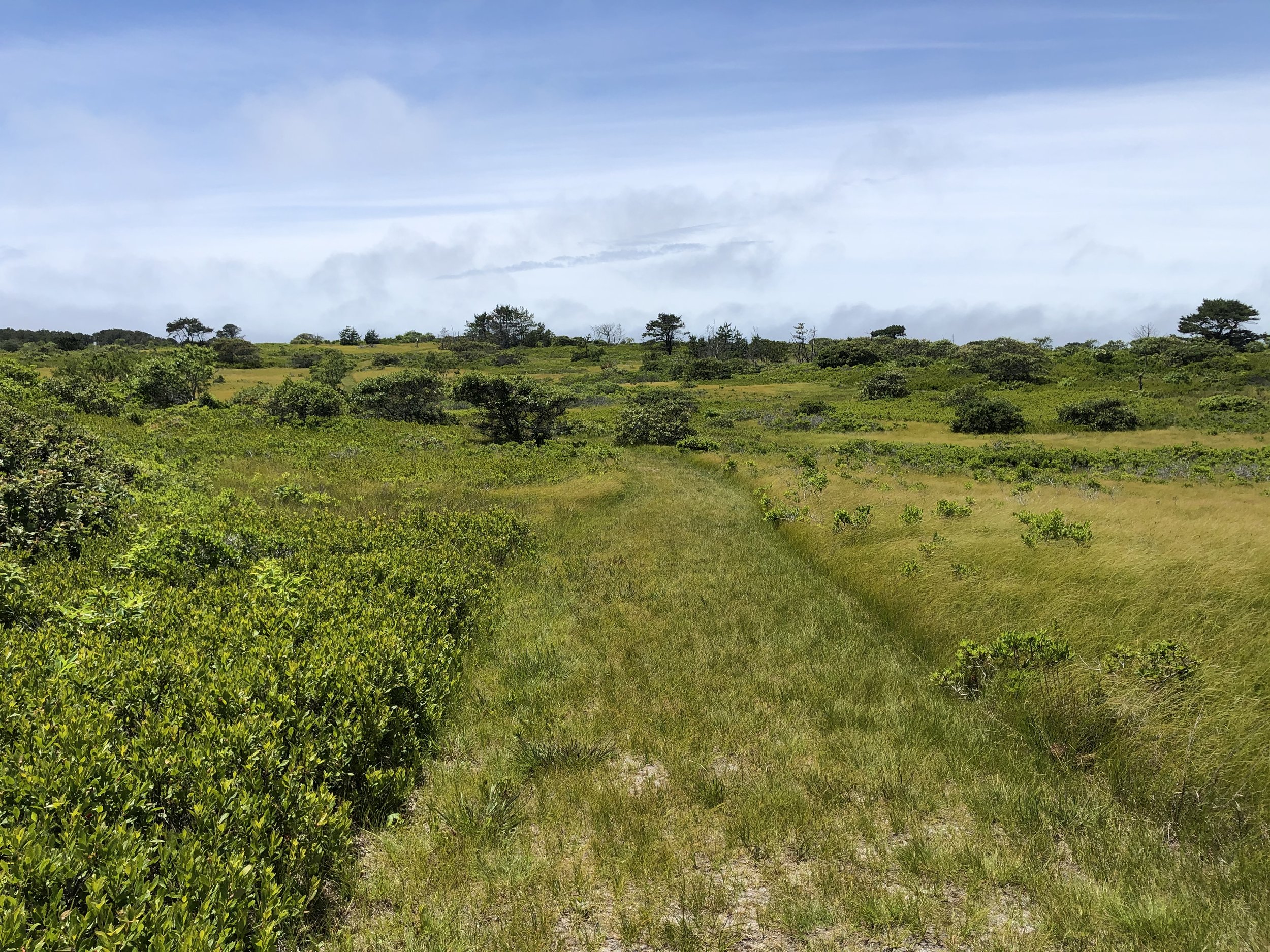
We work diligently to steward our natural landscapes and protect the rare and fragile habitats found on our property, including sandplain grasslands and coastal heathlands.
What is Stewardship?
Land stewardship can be implemented in many ways. From prescribed fires to targeted invasive species removal, to regular maintenance and upkeep of land, stewardship can have a large impact on protected areas and conservation land. Stewardship efforts are limited by fund and staff availability, and consideration of what will most benefit an ecosystem. As part of this process, we are developing a property management plan to better address both short and long-term needs.
-

Benefits of Disturbance
Sisyrinchium fuscatum (pictured), is a species of special concern in Massachusetts. This wildflower thrives after periods of disturbance which is why it can be found along the LLNF trails from early to mid-summer. Many plants can actually benefit from disturbances such as fire, floods, storms, and mechanical disturbances. Part of land stewardship involves ensuring enough disturbance to allow these plants to have a competitive chance.
-

Invasive Removal
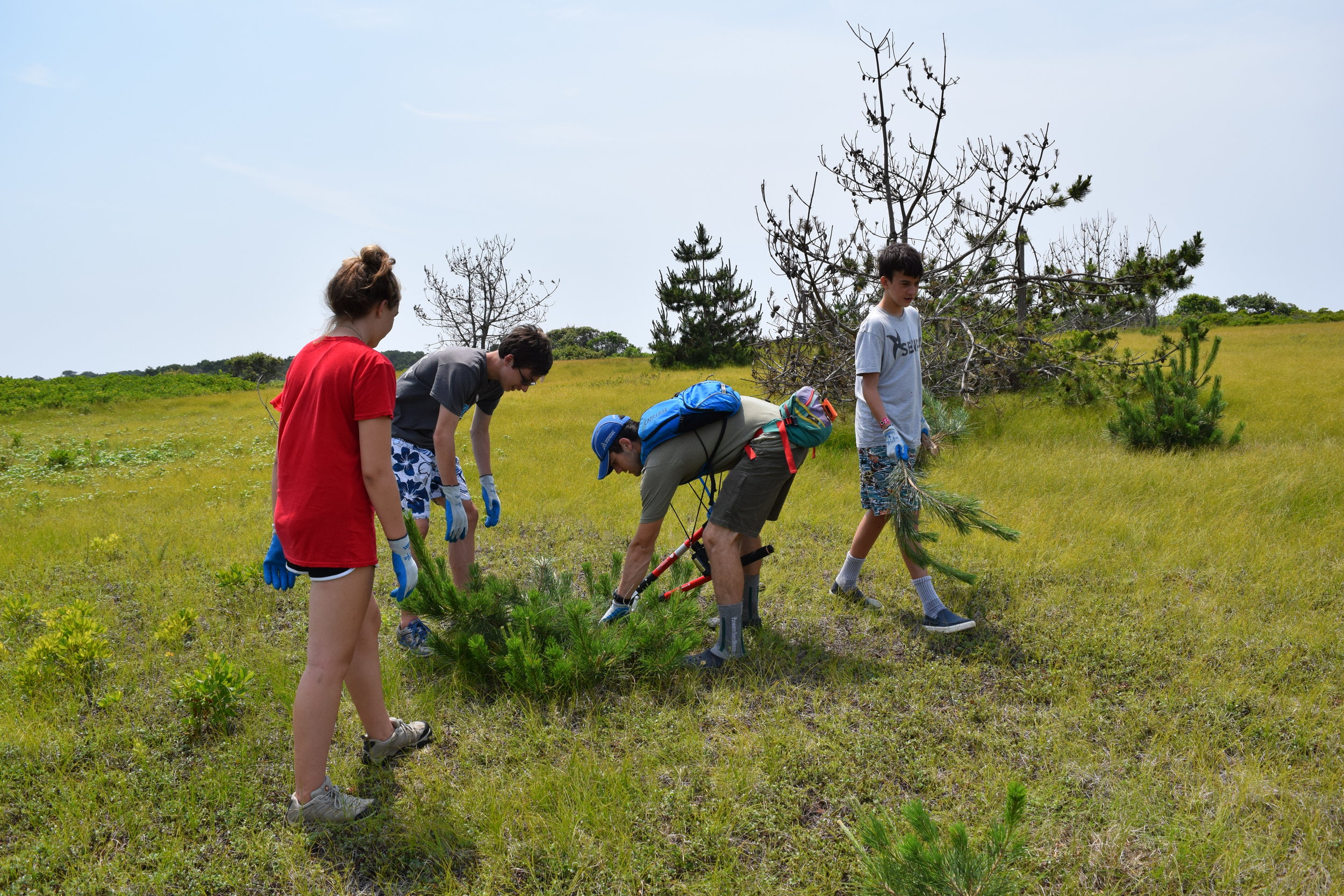
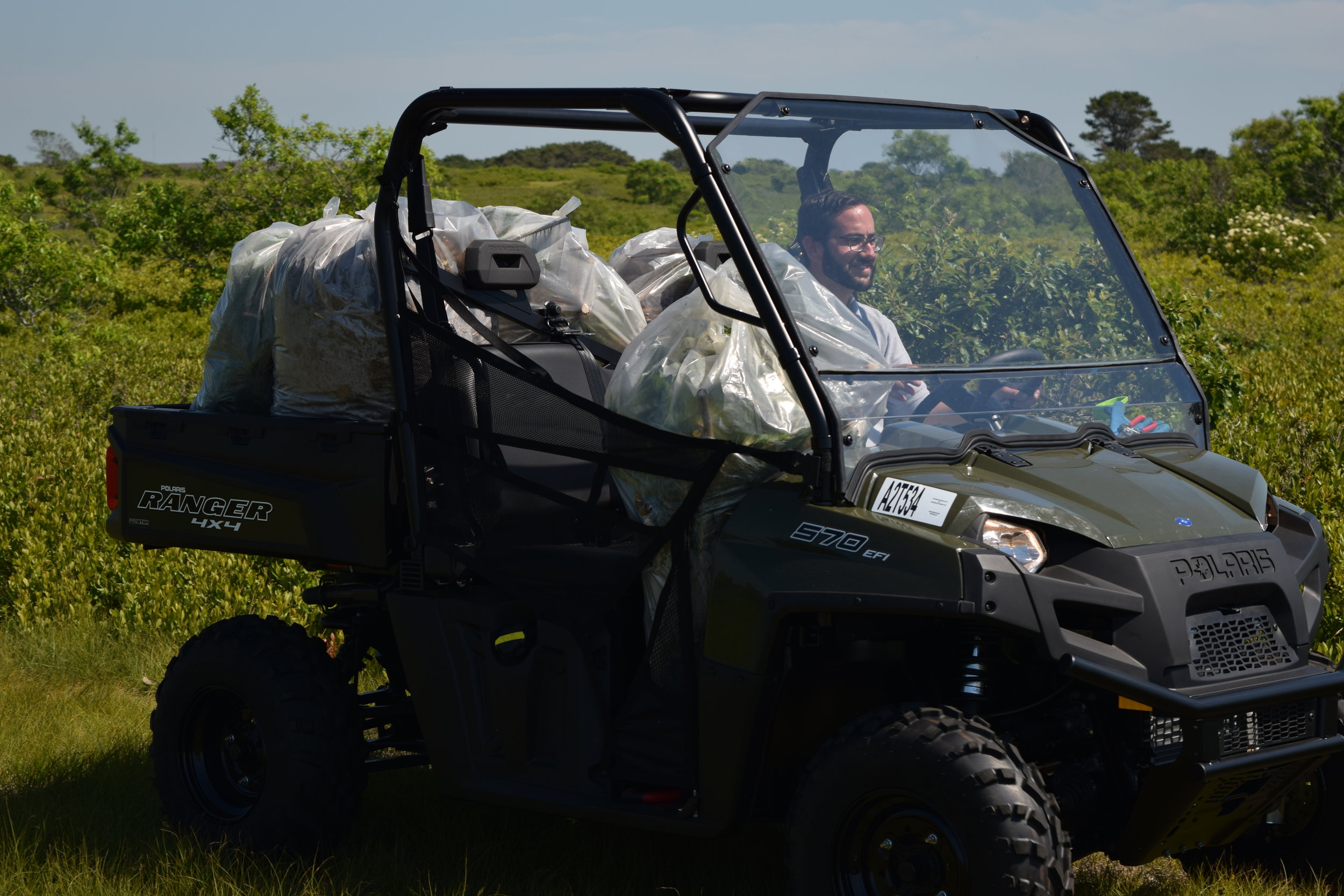
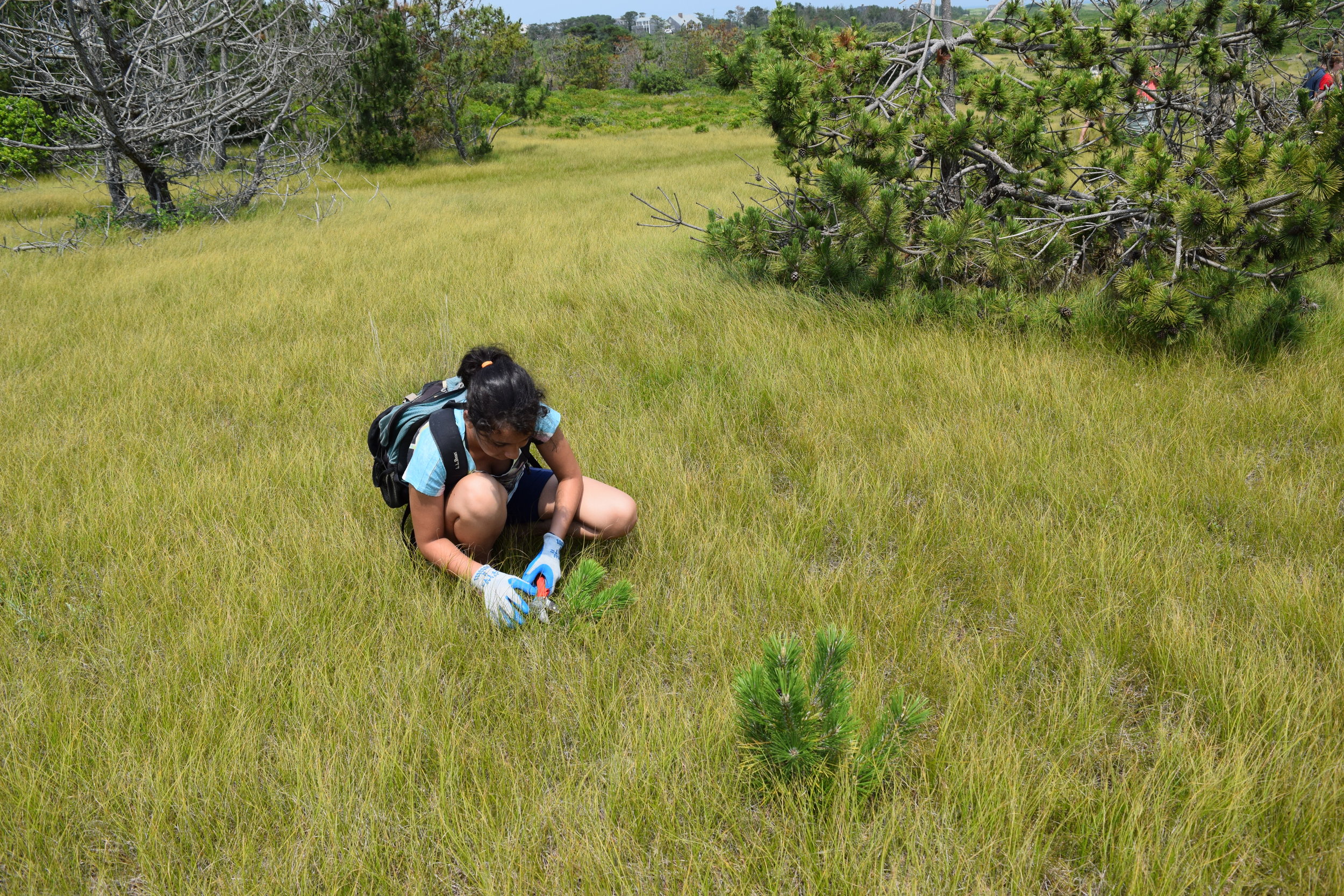
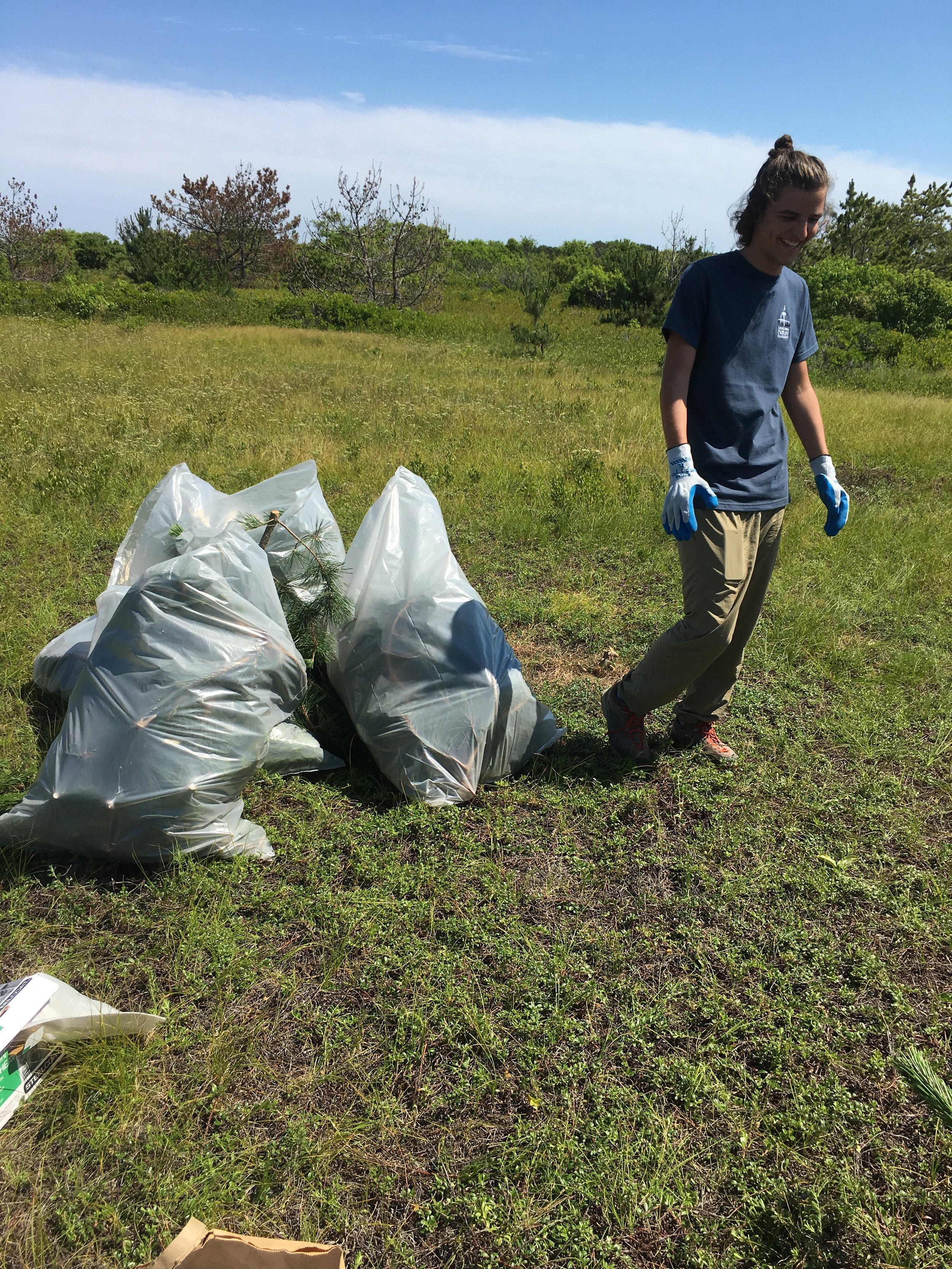
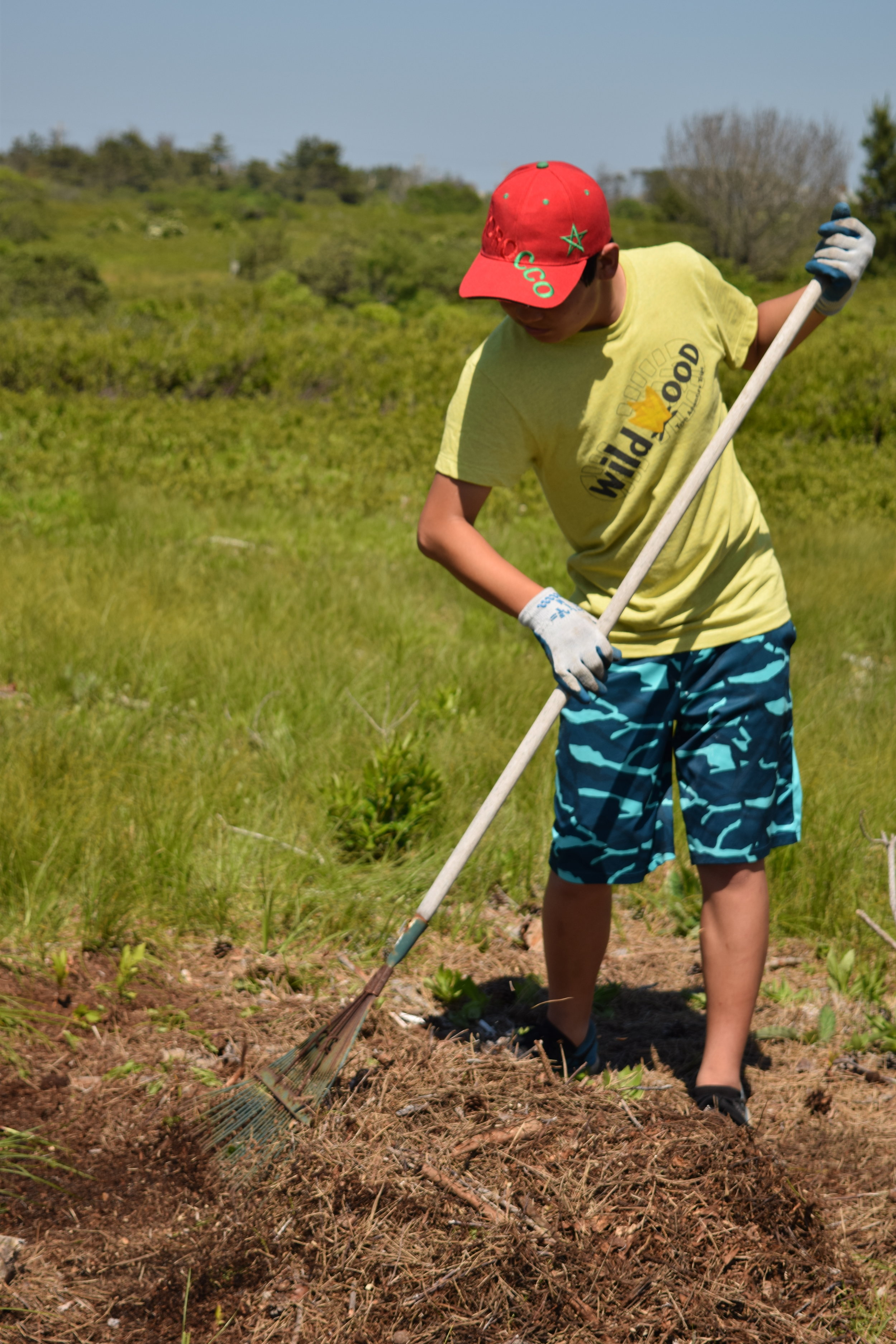
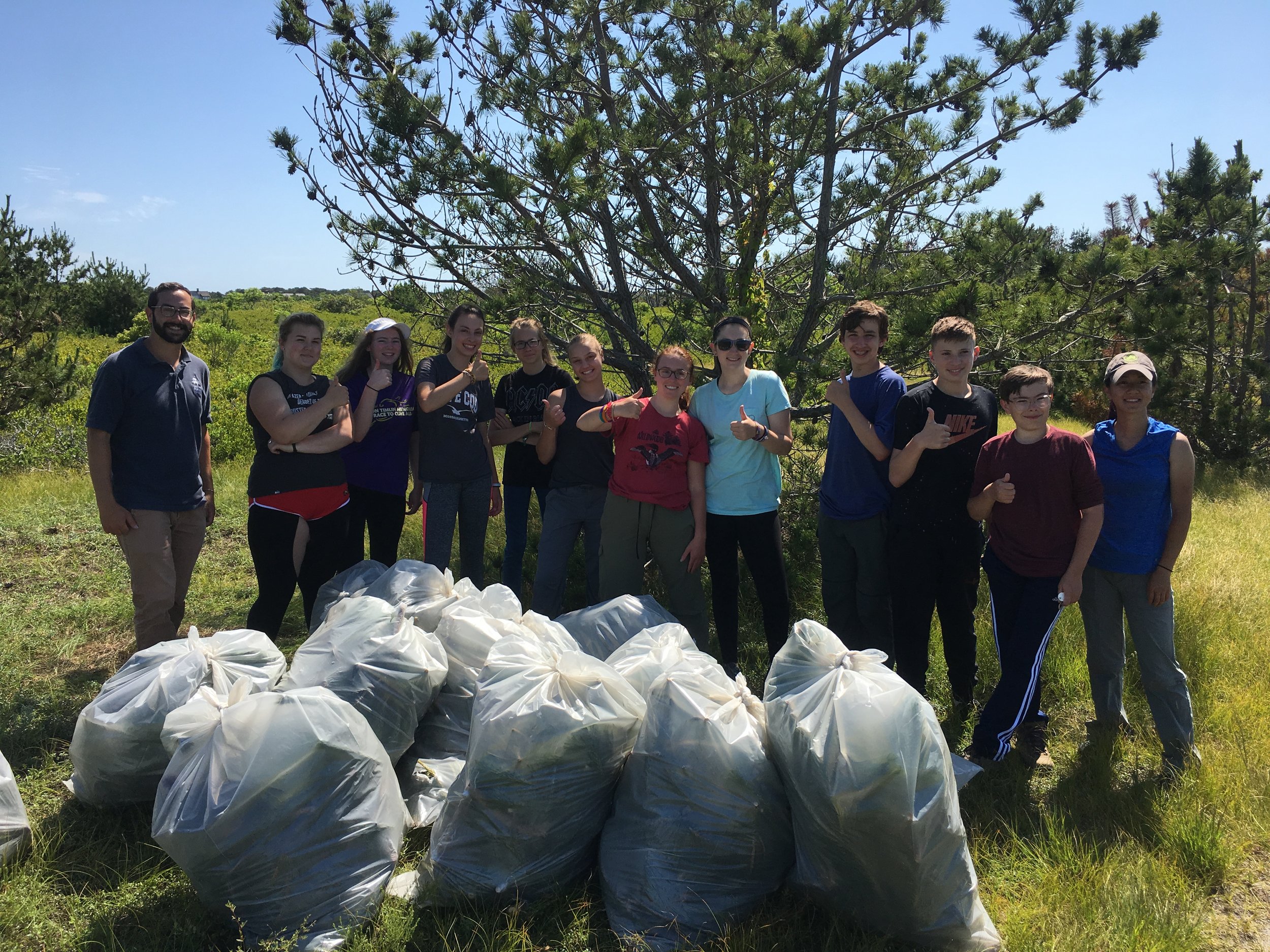
Invasive plants move into areas where it is not naturally found and causes detrimental effects to native species. This can be in the form of outcompeting other species for space or sunlight, or in some cases, releasing toxins into the ground that limit the growth of other plants. We battle these invasive plants to prevent them from taking hold in our rare ecosystem. Invasives include Japanese Black Pine and Spotted Knapweed.
-
Native Seed Collection
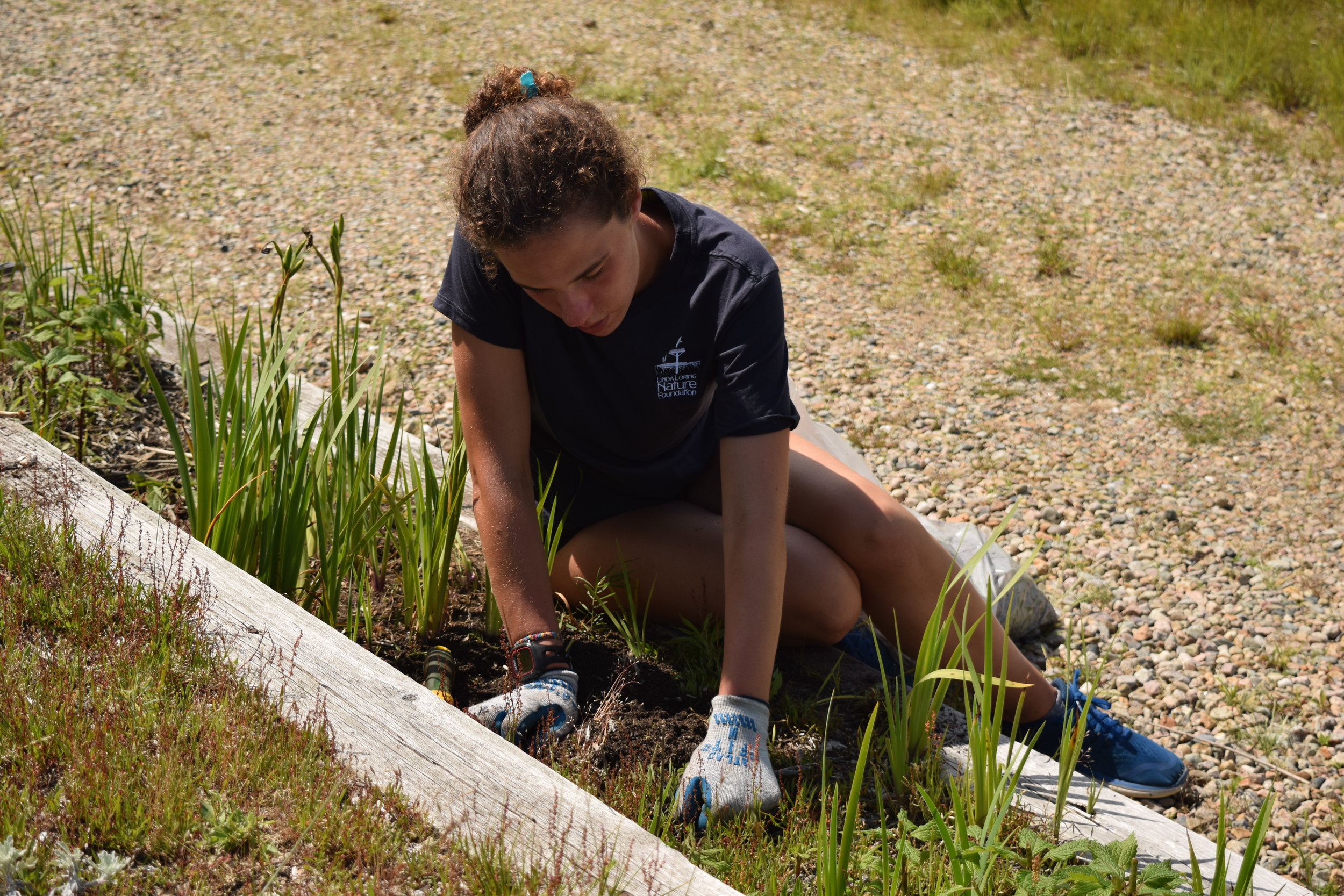
Native seed collection is used to promote native plant growth around the island. Seeds are collected from common native wildflower, grass, and shrub species, and then cultivated in a greenhouse. They are planted along eroded trails and road edges, and in areas where invasive plants have been removed. This is an important way to maintain local plant genetic diversity.
-

Soil Disturbance
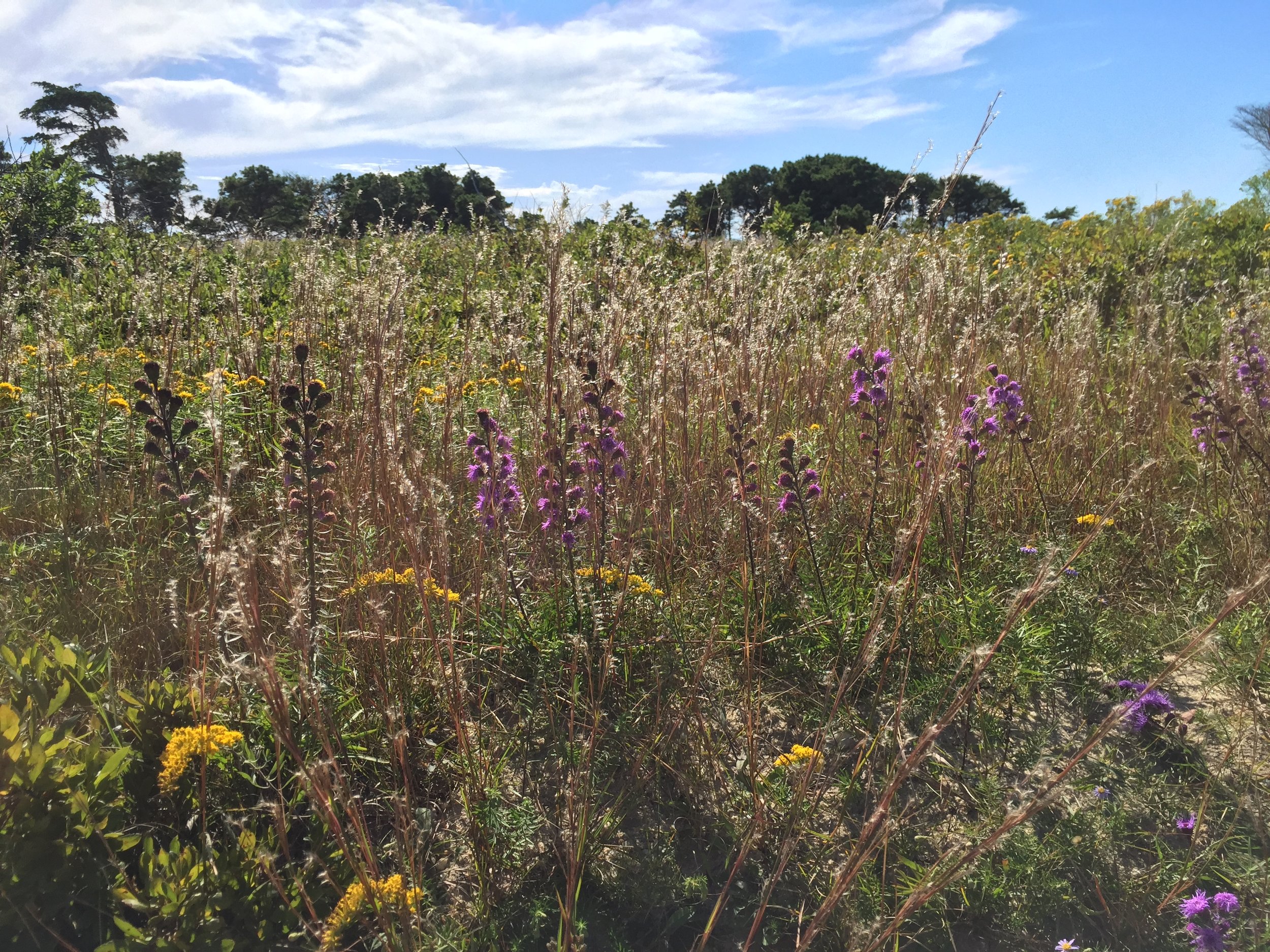
Sandplain grassland is a globally rare habitat with a significant concentration found on Nantucket. It consists of early successional species that thrive, and often require some form of disturbance. Disturbance on Nantucket can include strong winds, salt spray, fire, mowing, or a combination of these factors. Without disturbance, the sandplain grassland species are often outcompeted by shrubs and trees.
-

Prescribed Fire
Prescribed fire is not a stewardship tactic employed at LLNF, however it is used elsewhere on Nantucket during the off-season. Fire is a part of natural processes in many ecosystems and can actually benefit many plants and animals. Prescribed fires are a way of stimulating seed germination and revealing soil mineral layers without major risk of damage to human life or property.
The Linda Loring Nature Foundation works diligently to be stewards of the globally rare sandplain grasslands and coastland heathland habitats found on our property, with ongoing restoration and land management projects. We maintain our property to support environmental education, mitigate the impacts of climate change, and provide public walking trails for all to enjoy.
-

Resilient Restoration
Sea level rise projections show that much of the LLNF property around the North Head of Long Pond will be inundated by salt water in the near and long term. LLNF sees itself as a potential mitigation space for climate change impacts and so began our Resilient Restoration project with funding from the Community Foundation for Nantucket and the ReMain Nantucket Fund.
We engaged Wilkinson Ecological, an ecological design and restoration company, to create a native, biodiverse habitat that blends in with the surrounding upland sandplain grassland on the north side and the brackish wetland bordering the pond, serving as a buffer to mitigate environmental impacts.
-
Pine Removal for Grassland Restoration
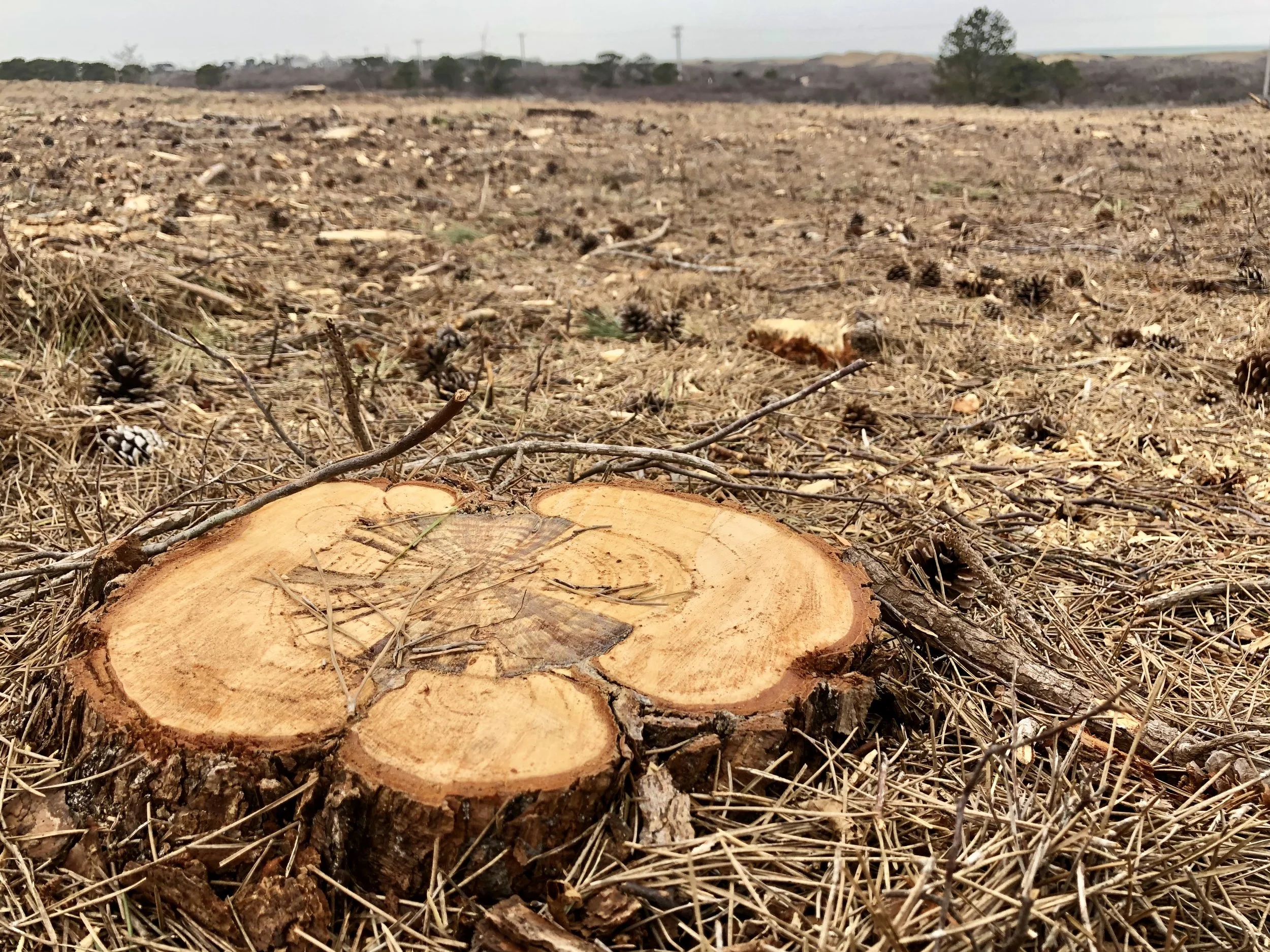
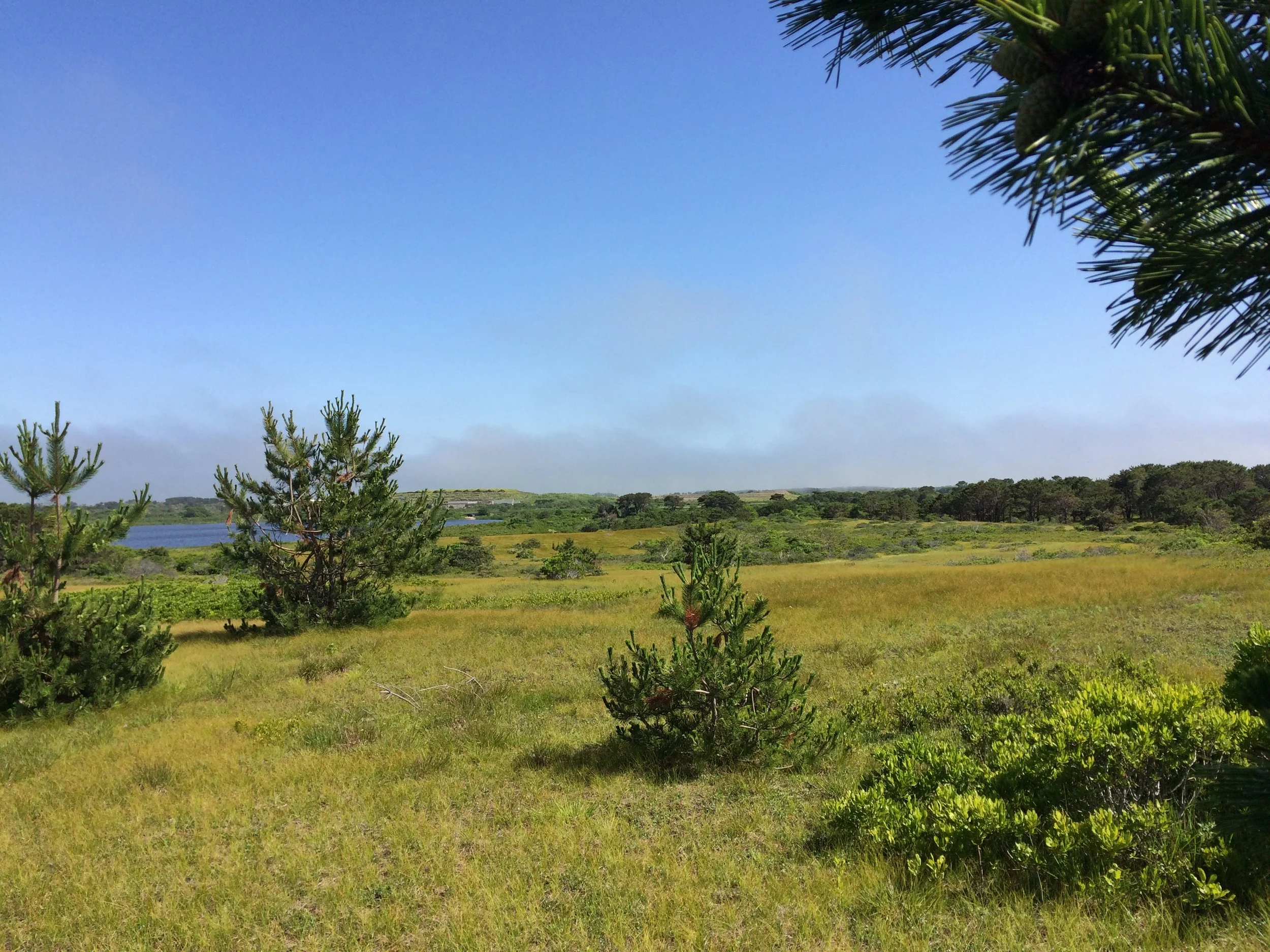
LLNF has been focusing on the removal of non-native invasive Japanese Black Pine (Pinus thunbergii) while promoting sandplain grassland and coastal heathland restoration and expansion.
Check out this StoryMap to learn more about this project.
-
Trail Enhancement and Maintenance
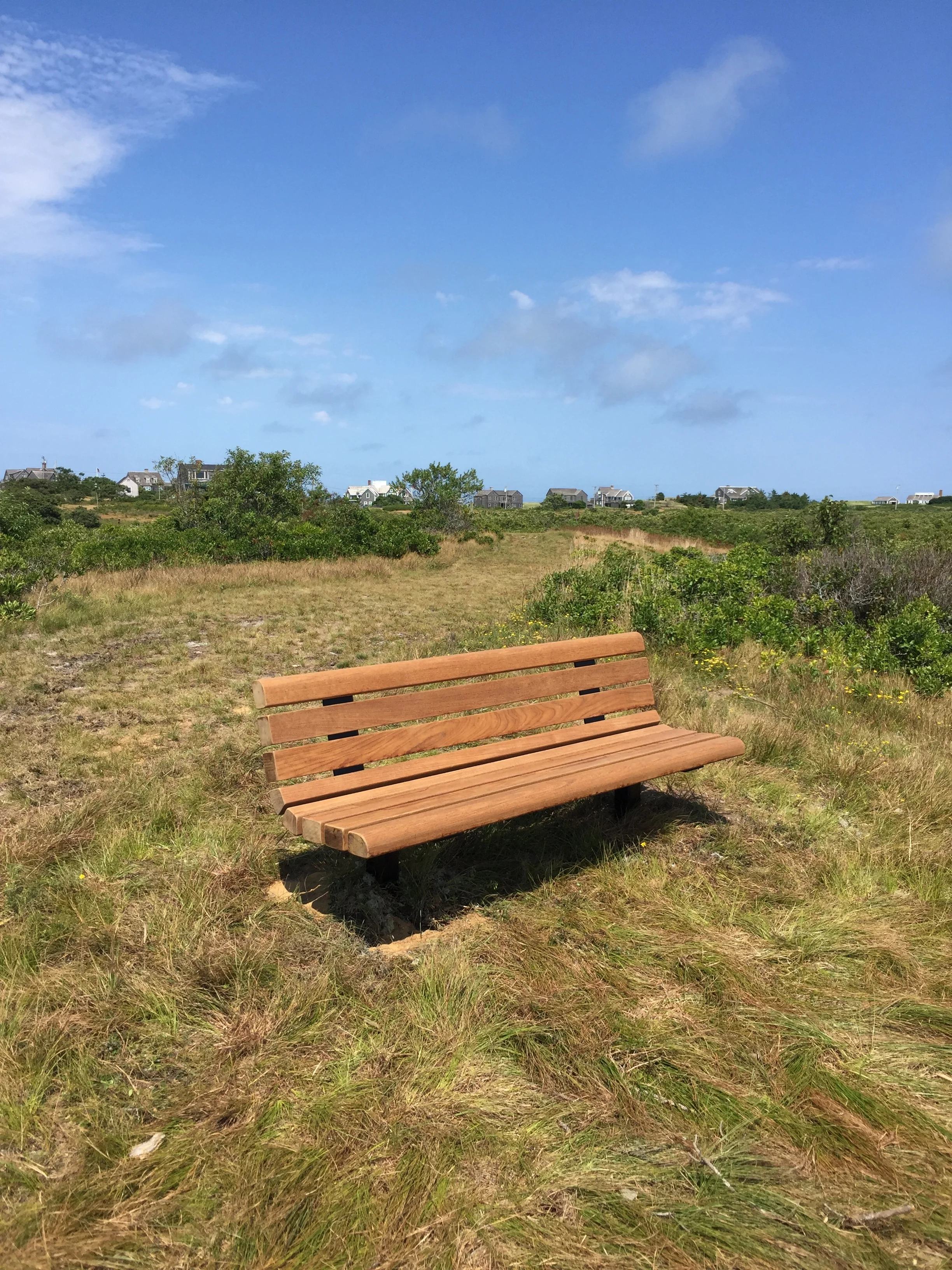
The LLNF trails are maintained to ensure a pleasant experience for our visitors. This includes regular mowing and maintenance of the trails, as well as benches for visitors to take rests along the way.

Chronolog, a photo-based platform, helps to document our work on the property. This tool captures landscape changes over time, providing a visual timelapse of our land management, restoration projects, and research.
We have two views: one highlighting our recent restoration project and the other documenting the North Head of Long Pond.
You can also contribute photos to Chronolog when you visit the property. Your help is valuable to us!

In 2022, LLNF was awarded a grant from the MassWildlife Habitat Management Grant Program to create and improve grassland habitats by removing non-native invasive tree species and restoring natural ecosystem processes. The $75,000 awarded is one of the largest amounts given to any one organization.