
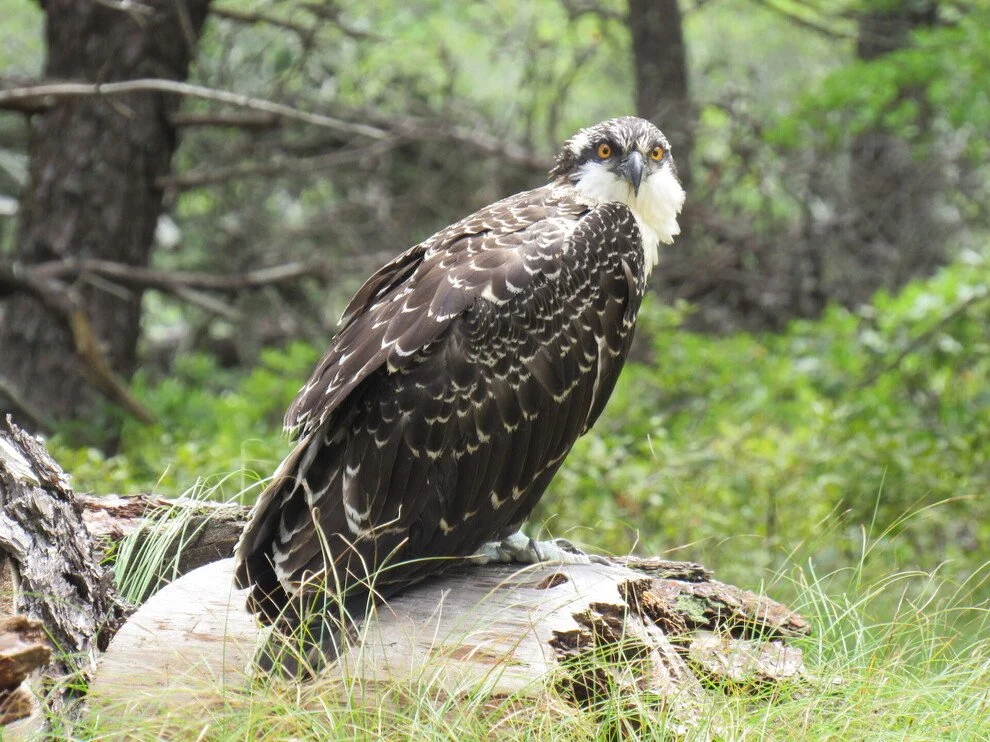
Current Nature: Year Two Of The Nantucket Osprey Watch Was a Success
How are Nantucket’s ospreys doing? We hear this question often, and after two seasons of watching nests across the island, we are starting to have a much better answer.
Created in 2025 to build a better picture of Nantucket’s breeding ospreys, the Nantucket Osprey Watch expanded significantly this year. We found more nests, welcomed more volunteers, and collected far more observations than last year. By the end of the season, we had documented 59 nest sites, including 9 new ones, and 44 were active. Of those 44 nests, they successfully fledged 58 young ospreys!
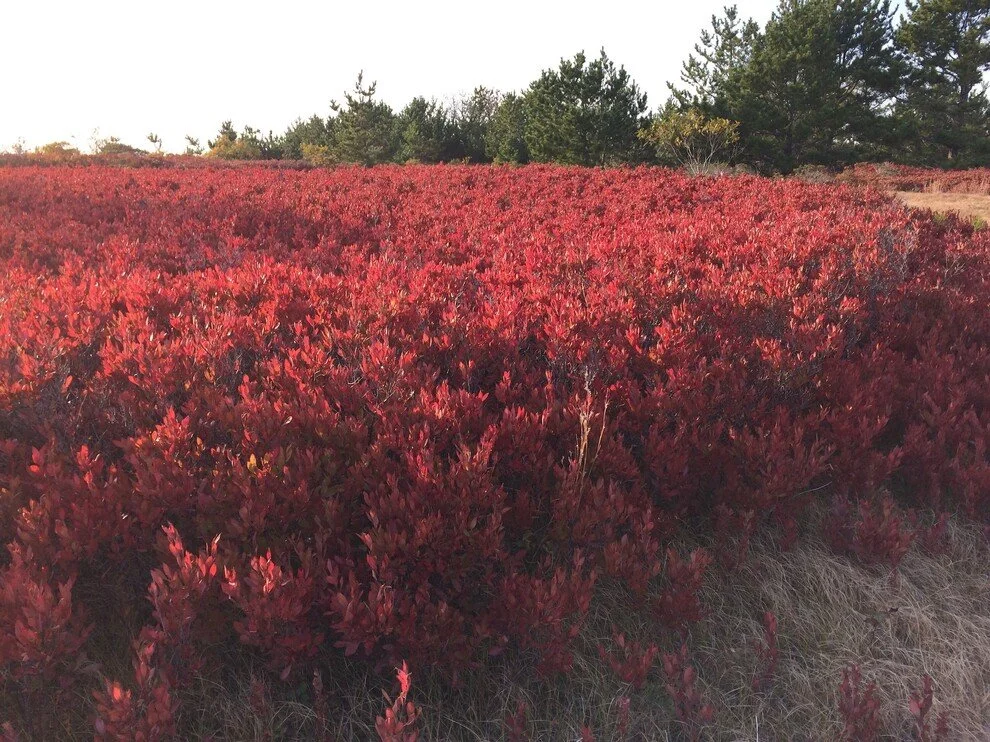
Current Nature: Fabulous Fall Foliage
Labor Day has come and gone, and our community on Nantucket is being treated to seasonal change as we transition from summer into fall. Although fall exists worldwide, in my opinion, autumn in New England is the quintessential version. Brilliant colored leaves, pumpkins galore, a cool crisp in the air, and delicious treats are the bounties of the season. When imagining brilliant foliage, most people envision a getaway to New Hampshire, Vermont, or Maine, but today I am going to convince you that you can experience magnificent fall colors without ever leaving the island.
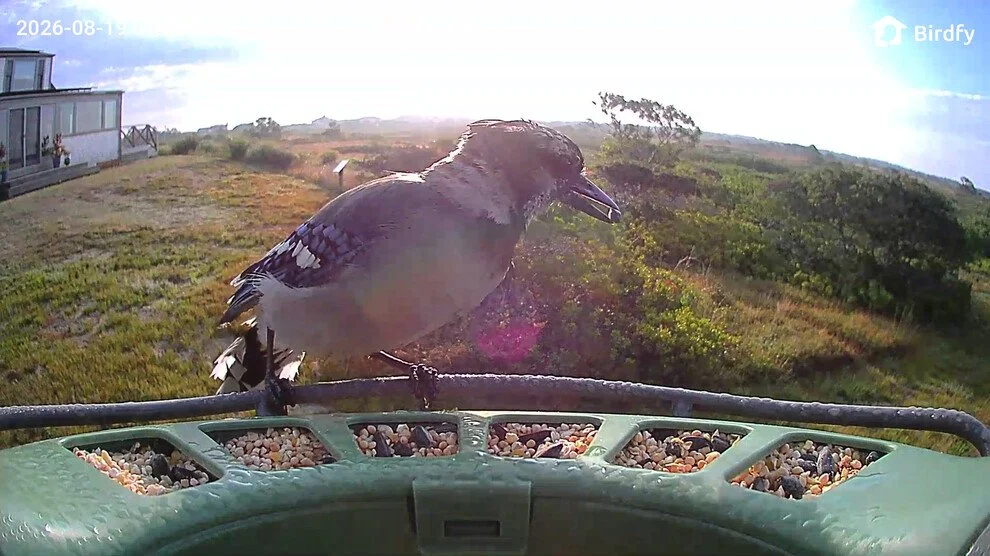
Current Nature: Bird Is The Word
Bird is the word this week at the Linda Loring Nature Foundation and that is due to a very exciting revival of a previously beloved feature of the Foundation. If you are a lover of the Foundation, you might already know what I’m about to announce but for those who aren’t yet, let me get you caught up. This year has been full of change for the Foundation. One of the significant moments of change was the construction of our new fully sheltered learning space. We are so happy to have this space but with its construction came the loss of our bird feeder array, which had been a feature of the organization for more than a decade.
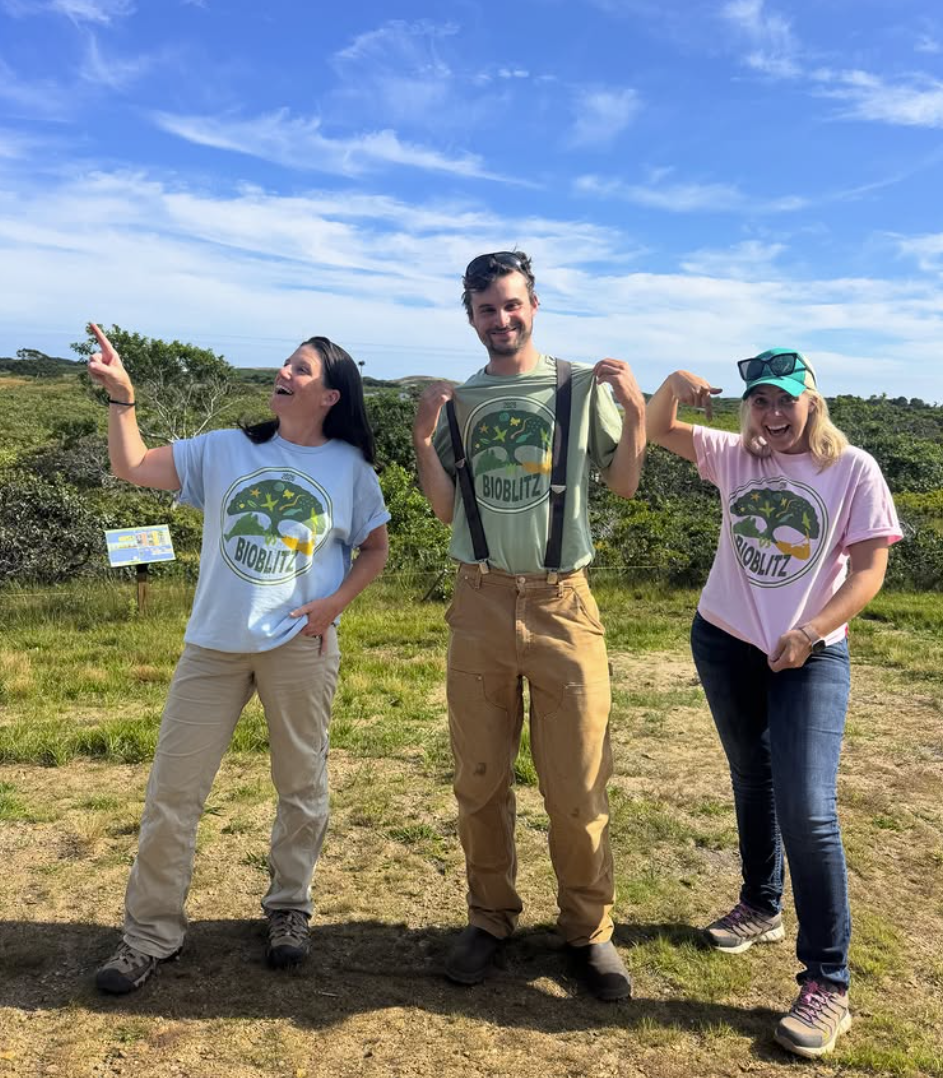
The 2026 Inter-Island BioBlitz - ACK Vs. MV
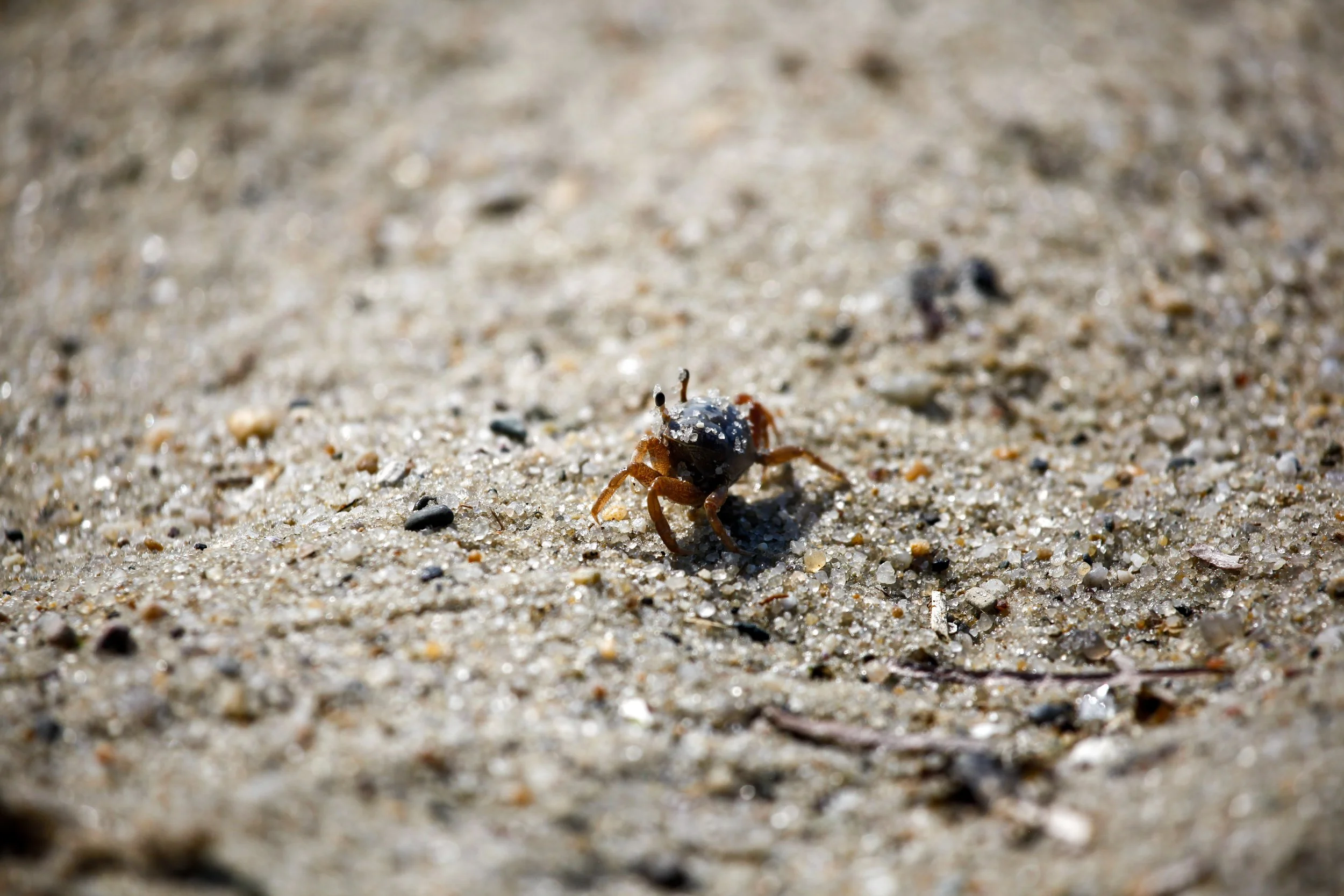
The first annual Inter-Island Bioblitz has officially concluded. After years of the Nantucket BioBlitz, for the first time ever, Martha’s Vineyard joined Nantucket for some friendly inter-island competition to record life across both islands and see who would emerge as the biodiversity boss!
Upping the Ante
It’s once again BioBlitz time on Nantucket! Mid-summer is the perfect time for a BioBlitz. It’s peak growing season, height of insects, the tail end of nesting season for many birds, decent weather for beachcombing, and there are lots of people on island to help us count them all!
Current Nature: In The Know About Mosquitoes
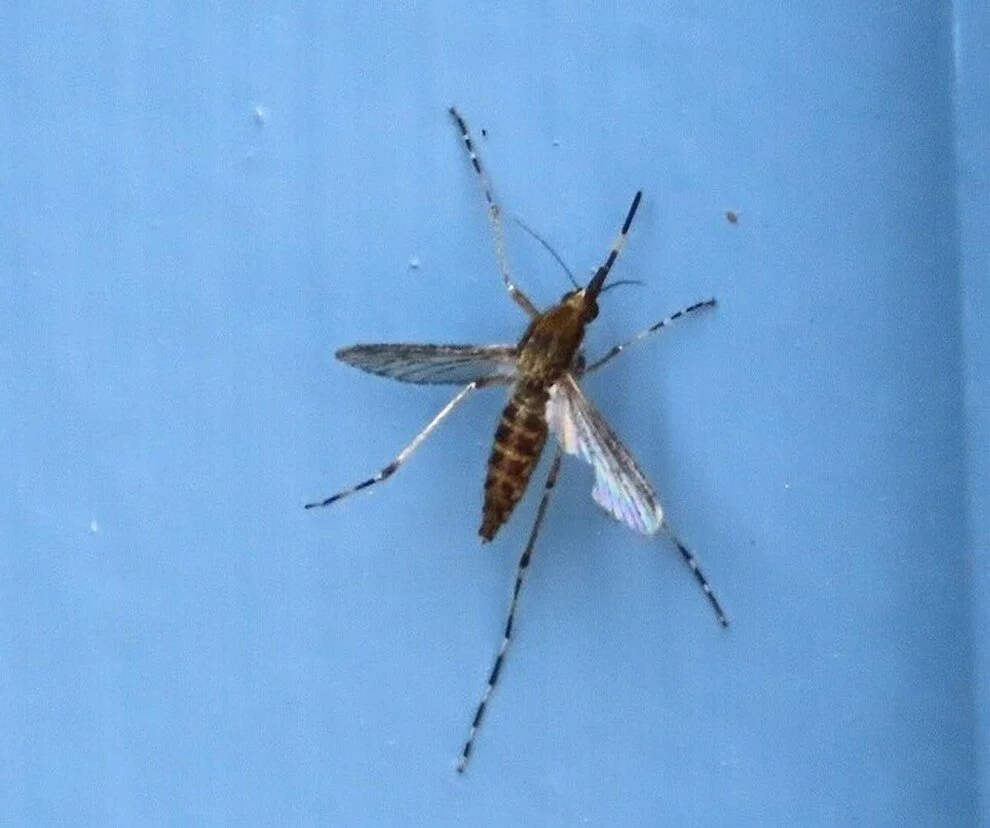
Summer on Nantucket brings with it many treasures of nature: sunny beach days, serene trail walks, and picturesque sunsets. But during the warmer months, we always need to remain vigilant against the hazards of being outdoors, such as biting insects, poison ivy, and sunburns. Although ticks have long been the primary topic of conversation when it comes to island insects, they are not the only pests to be wary of.
Current Nature: Nantucket Sharks Share The Sea
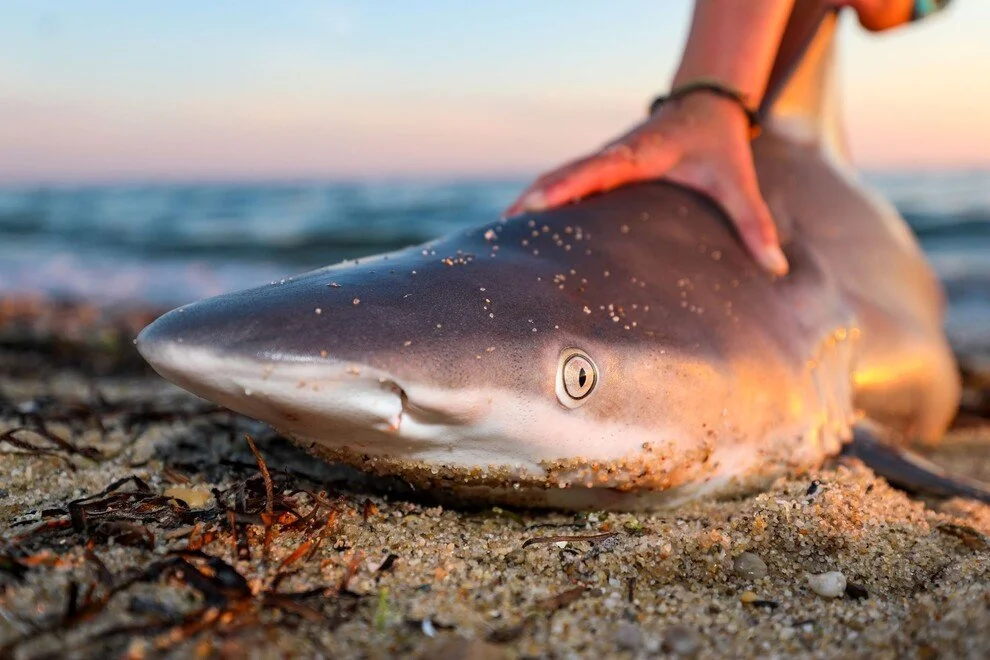
Summer has officially arrived on Nantucket, bringing long beach days, warmer waters, and the seasonal return of one of the ocean's most talked-about visitors: sharks.
Current Nature: Find Your Place In Nature
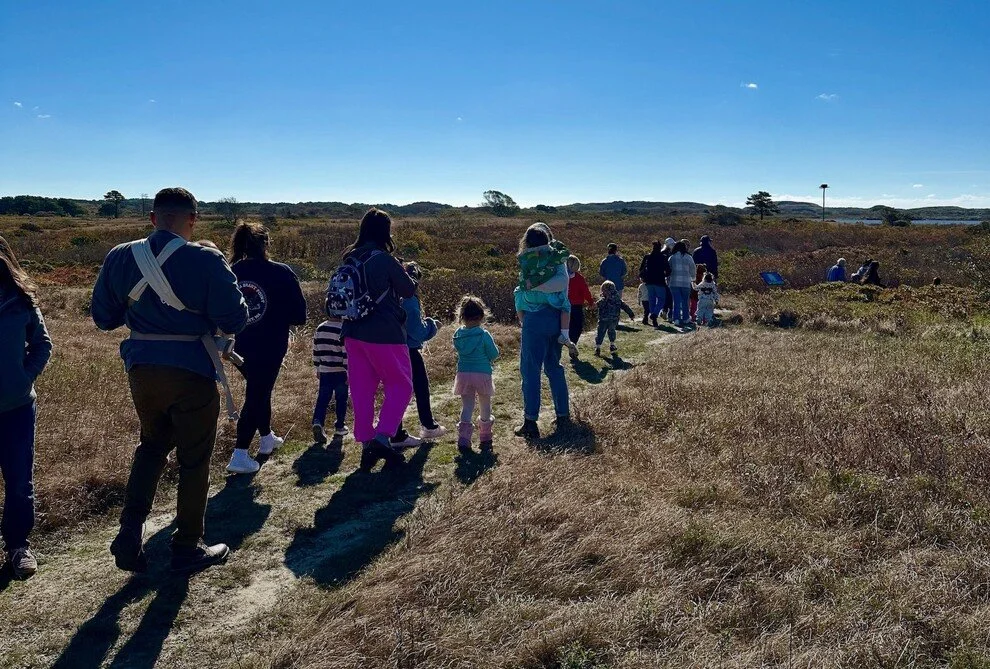
In an age where digital spaces are accessible at the touch of a finger it is especially important to encourage children to explore and learn in nature. Although it can be intimidating at times when your head starts reeling about all the things that could go wrong, there is truly no space better than that which allows endless opportunities. Children learn best from their senses when they are allowed to hear, touch, see, and even smell the world around them.